






















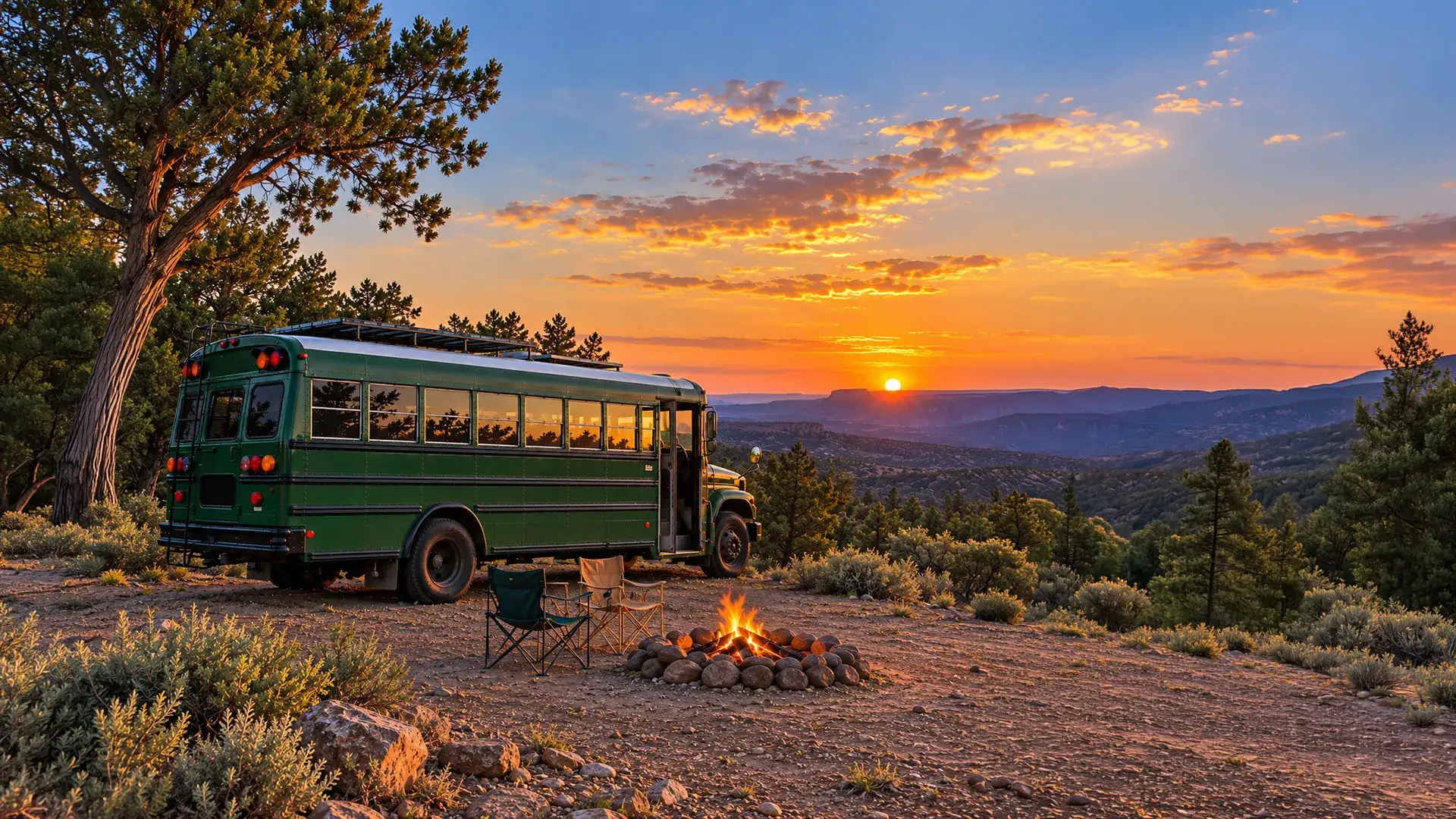

The first night I slept in my converted school bus, I barely slept at all. I was parked at the edge of a Forest Service road in northern Arizona, and every creak of the bus frame and every gust of wind against the windows had me sitting up in the dark. Around two in the morning, I gave up, made a cup of coffee on my little propane stove, and opened the side door. The sky was so full of stars it looked fake, and the only sound for miles was a coyote somewhere off to the east.
That was the moment it clicked for me. I’d spent eleven months tearing out seats, welding brackets, running wire, and cussing at plumbing fittings, and I had honestly started to wonder if the whole thing was a mistake. Sitting on that bottom step with a hot mug in my hands, I understood what I’d actually built. It wasn’t a bus. It was a way out of a life that had stopped fitting me, and a way into one that did.
I’ve been living and traveling in converted rigs for a good while now, and I’ve met hundreds of people doing the same thing in every kind of vehicle you can imagine. Some of them are in their twenties, and some are in their seventies. Some work full-time from a laptop, some are retired, and a few are still figuring it out as they go. What follows is my honest take on why so many of us chose this life and why most of us have no plans to go back.
Every Rig Has Its Own Personality
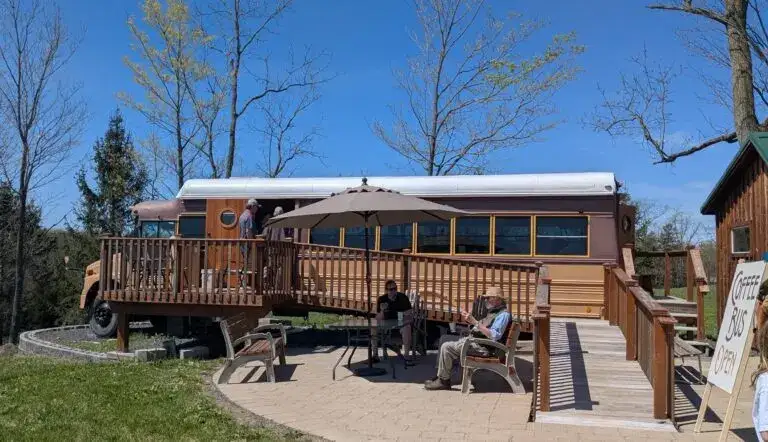
Before getting into the good stuff, it’s worth saying that nomads don’t all live in the same kind of home. The school bus, or “skoolie,” is the most famous. Buses give you a ton of interior room, a frame built to haul kids safely for decades, and a diesel engine that will run forever if you treat it right. The trade-off is size, because a forty-foot bus won’t squeeze into a tight trailhead parking lot.
Over-the-road coaches are a step up in class. They are much more comfortable and are made for highway driving. If you take them off-road, where some people take their skoolies, they may get hung up because they have minimal ground clearance. But they do have huge bays, so they can carry a lot of stuff, a benefit if you live in it full time.
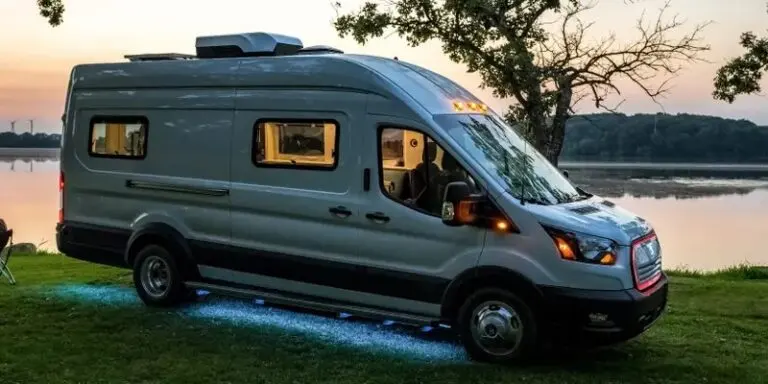
Vans are the opposite end of the scale. A Sprinter, Transit, or ProMaster can go almost anywhere a regular car can; it fits in a normal parking space and doesn’t scream “somebody lives in here” when you’re parked on a city street. You give up headroom and floor space, but you gain a nimbleness bus folks envy. I know van dwellers who have driven forest roads I wouldn’t dream of attempting in my large bus.
Box trucks and old delivery trucks sit somewhere in the middle. You get a square, empty box to build in, which makes framing and insulating a lot easier than working around the curved walls of a bus.
Then there are ambulance conversions, which might be my favorite oddball category. Ambulances come with heavy-duty electrical systems, insulated walls, plenty of built-in cabinets, and a chassis designed to run hard, and they’re often surprisingly cheap at government auctions. However, many were run hard in service, so a knowledgeable mechanic should inspect one if you buy it.
The point is that there’s no single right answer. The rig you choose shapes the kind of travel you’ll do, but the freedom underneath is the same whether you’re in a Ford Econoline or a retired Blue Bird.
Walking Away from the Monthly Squeeze
Let’s start with what most people ask about first: money. When I lived in a regular apartment, close to half my paycheck disappeared before I even saw it. Rent, renter’s insurance, utilities, and a long list of little charges added up to a number that kept me working jobs I didn’t care about just to stay in place. I wasn’t building anything; I was just treading water.
Living in a rig doesn’t make expenses vanish, and anyone who tells you it’s free is selling something. You’ve got fuel, insurance, maintenance, and the occasional campground fee or gym membership for showers. But once the build is paid off, there’s no rent, and a good solar setup knocks out most of your electric bill. For many folks, that frees up hundreds or even thousands of dollars a month.
What you do with that breathing room is where it gets interesting. Some people pay off debt in a couple of years that would have taken them a decade. Others work fewer hours, or take seasonal gigs and spend the rest of the year exploring. I know one couple who saved enough in three years of van life to buy a small piece of land outright, with no mortgage, so they now have a place to call home.
Your Front Yard Changes Whenever You Want
After a few months on the road, you get a feeling that’s hard to explain to people who haven’t had it. You wake up, look out the windshield, and realize you can be somewhere completely different by dinnertime. Don’t like the neighbors? Move. Too hot? Drive up into the mountains. Tired of the desert? Head for the coast.
In a house, your view is your view, and you get what you get. In a rig, the view is a choice you make every day. I’ve had breakfast overlooking the Pacific, eaten lunch in a redwood grove, and watched the sun set behind a red rock canyon, all in the same week, and that was just an ordinary stretch of road for me.
Weather becomes something you follow, not something you put up with. A lot of nomads chase seventy degrees all year, wintering in southern Arizona or in Mexico and spending summers in Montana, Colorado, or the Pacific Northwest. I don’t think I’ve shoveled snow in years, and I can’t say I miss it one bit.
Less Stuff, More Living
When you’ve got maybe three hundred square feet to work with, everything you own has to earn its spot. That sounds like a sacrifice, and at first it really does feel like one. I remember standing in my old garage, trying to decide which tools I could live without, and it nearly broke my heart. In a rig, you learn to live with much less “stuff”.
But a funny thing happens after you let go. You stop buying things you don’t need, mostly because there’s nowhere to put them. You stop spending Saturdays cleaning, organizing, and maintaining a pile of possessions you seldom use. The stuff that’s left is stuff you actually use and love, and there’s a real peace in that.
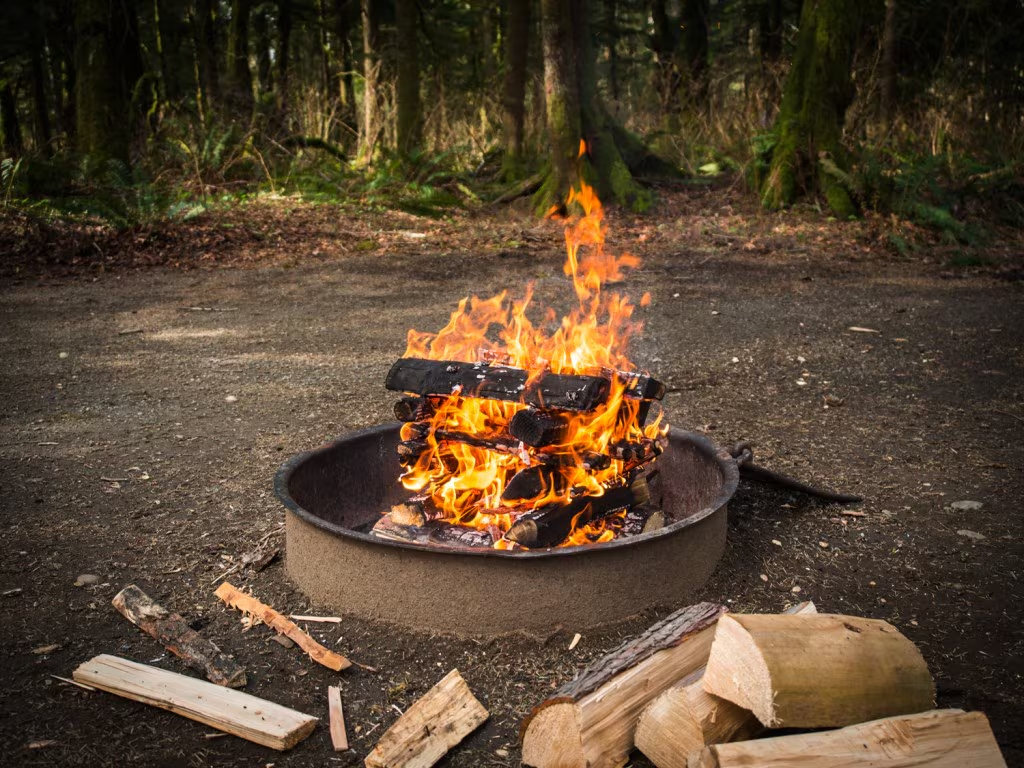
I’ve noticed that the people I meet on the road talk a lot more about where they’ve been than what they own. Nobody at a campfire cares what kind of TV you have. They want to know about that hot spring you found in Nevada, or that taco stand in a little border town, and honestly, those are better conversations anyway.
Time Becomes Yours Again
If money is the first thing people ask about, time is what changes your life most. When your overhead drops, you don’t have to trade forty or fifty hours a week just to keep the lights on. That leftover time is the real treasure of this lifestyle. It’s the thing I’d fight hardest to keep.
I spend mornings drinking coffee slowly instead of gulping it down in traffic. I read more books in my first year on the road than I had in the previous five combined. I’ve taken up fly fishing, learned to identify about forty kinds of birds, and gotten decent at fixing small engines, all because I finally had the hours to spend on things that interest me.
The days also have a different rhythm. Out here, you tend to wake with the light and wind down when it gets dark. You eat when you’re hungry, not when the clock says it’s lunch break. It took me a while to stop feeling guilty about that, but now I can’t imagine living by a punch clock again.

The People You Meet Along the Way
One of the biggest myths about nomad life is that it’s lonely. Sure, there may be stretches where you won’t see another soul for days, and some people go looking for exactly that. But the community out here is one of the warmest and most generous I’ve ever been part of.
Rig folks look out for each other in a way that’s hard to find in most neighborhoods anymore. Strangers have helped me change a blown tire on the side of the highway, lent tools I didn’t have, and invited me to share dinner after a long, rough day of driving. When my water pump died outside a small town in Utah, a retired mechanic living in an old Airstream spent his whole afternoon helping me rebuild it, and he wouldn’t take a dime.
There are also big gatherings throughout the year where hundreds or thousands of nomads meet up. The Rubber Tramp Rendezvous and Skooliepalooza in Quartzsite, Arizona, are probably the best known, but skoolie meetups, bus rallies, van gatherings, and smaller regional get-togethers happen all over the country. You’ll show up knowing nobody and leave with a phone full of numbers and invitations to come visit.
You Learn to Take Care of Yourself
Building and living in a rig turns you into a jack-of-all-trades whether you planned on it or not. You learn how solar panels and batteries actually work. You learn to fix a leaky water line, track down an electrical short, and diagnose that weird engine noise before it becomes expensive.




That kind of self-reliance carries a confidence that’s hard to describe. When something breaks in a house, most people call a repairman and wait. When something breaks in a rig, you’re often the repairman, and every fix you pull off makes you a little more capable and a little less afraid of the next thing that goes wrong.
I grew up when kids still learned some of this stuff in school and from their dads in the garage. A lot of folks never got that chance. Rig life gives it back to you, and the knowledge sticks with you long after you’ve parked for good.
Your Body and Mind Will Thank You
I can’t speak for everybody, but I’m healthier now than I was when I lived in town. When your living room is a mountain meadow or a quiet beach, you spend most of your day outside without even trying. I walk more, I hike more, and I sleep better than I have in years.
A growing body of research shows that time in nature lowers stress and helps people feel more settled and clear-headed. I don’t need a study to tell me that, though. I can feel the difference when I’ve been parked somewhere green and quiet for a week compared with when I’ve been stuck in a city lot waiting on a repair.
Living small also seems to cut down on a lot of the noise in your head. Fewer bills to worry about, fewer things to maintain, and fewer obligations pulling you in ten directions. That doesn’t mean life on the road is free of stress, but the stress tends to be simpler and more immediate, like where to get water or how to beat a storm, rather than the slow grinding kind that wears you down over years.
Working Without a Cubicle
Not too long ago, living on the road full-time meant you were either retired or scraping by on odd jobs. That’s changed a lot. With satellite internet and better cell coverage, plenty of nomads now hold down full-time remote jobs from their rigs.
I’ve met software developers, graphic designers, accountants, writers, and customer service reps, all working from desks or tables in vans and buses. Their “office” might be a lakeshore on Monday and a desert overlook on Friday. As long as they’ve got a signal and some battery power, the job doesn’t care where they’re parked.
For those who don’t work online, plenty of seasonal work still fits this lifestyle well. Campground hosting, harvest jobs, national park concessions, and holiday warehouse work all draw nomads every year. Many people mix and match, working hard for a few months and then spending the rest of the year roaming.
Let’s Be Honest About the Hard Parts
I’d be doing you a disservice if I made this sound like a nonstop vacation. Things break, usually at the worst possible time and in the most inconvenient place. Finding a safe, legal spot to park for the night can be a headache, especially in cities that don’t welcome overnight parking. And some days the bed is small, the rain won’t quit, and you miss a full-size shower more than you’d ever admit, but a night in a hotel room is like a vacation after living in a van.
Relationships get tested in tight quarters, too. If you’re traveling with a partner or kids, you’ll learn a lot about each other very quickly, and not all of it will be fun. Some people find the constant movement exhausting and settle into a slower pace, staying a month or more in one area.
But here’s the thing. Every lifestyle comes with trade-offs, and the regular house-and-commute life has plenty of its own that we just don’t notice because we’re used to them. On the road, the trade-offs are out in the open, and you get to decide which ones are worth it.
Freedom Looks Different for Everyone
If you ask ten nomads what freedom means to them, you’ll get ten different answers. For some, it’s financial, finally getting out from under debt and rent. For others, it’s about time, or nature, or simply the ability to pick up and go without asking anybody’s permission.
For me, it comes back to that night on the bus steps in Arizona. Freedom is knowing that the life I’m living is one I chose on purpose, not one I fell into because it was the default. It’s knowing that if I don’t like where I am, I can turn the key and go find somewhere better.
If you’ve been thinking about building a rig of your own, whether it’s a bus, a van, a box truck, or a retired ambulance, my advice is simple. Start small, learn as you go, and don’t wait for the perfect moment, because it isn’t coming. The road will still be there, but the years won’t, and there’s a whole lot out there worth seeing before you get too old to enjoy them.