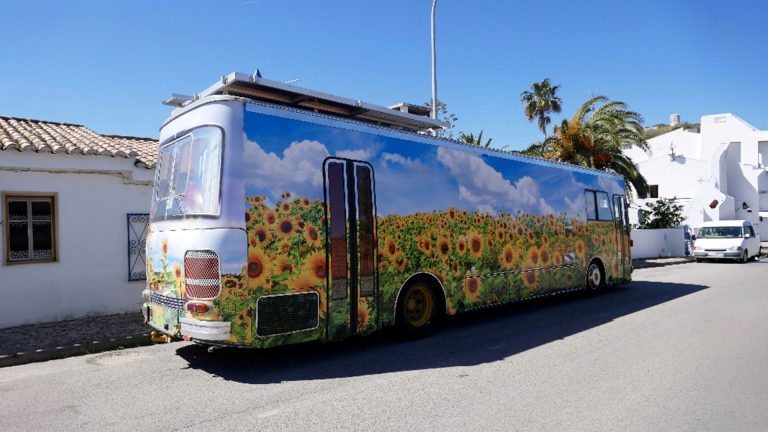






















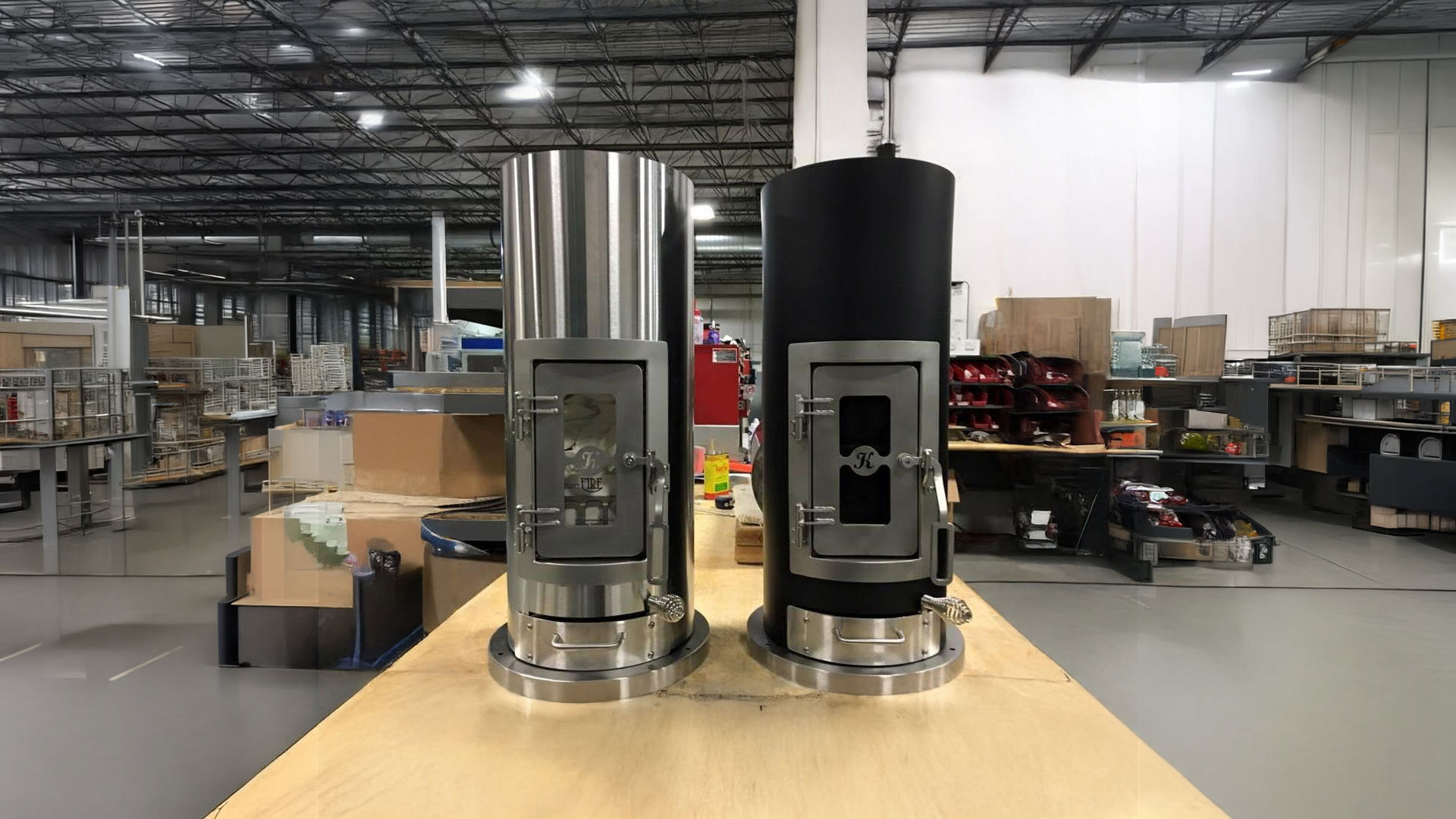
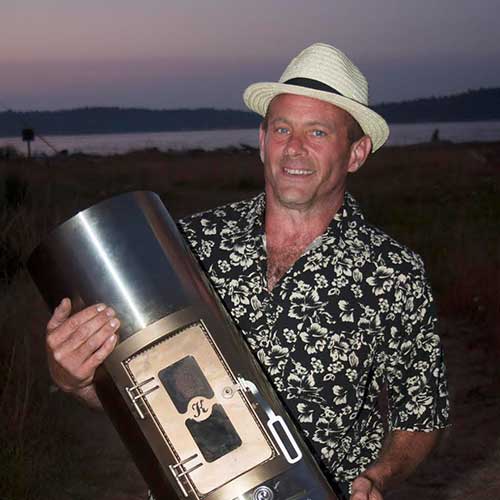
As the manufacturer of a new breed of wood stoves I often am asked to share information about what folks in other wheeled communities are doing that might cross over into the RV Conversion community. This new movement in America is actually an old movement in Europe, where the term “Caravan” is used to describe the mobile lifestyle many Americans are now just discovering.
Many are discovering it out of necessity as the “American Dream” seems highly threatened. Fewer and fewer families can afford the “white picket fence on Lullaby Lane”, and downsizing simply makes sense. I recently chatted with a pediatric neurosurgeon who was buying one of our wood stoves because he could not afford his heat and mortgage bills. He needed to offset the utility costs enough to ensure the house payment stayed on time.


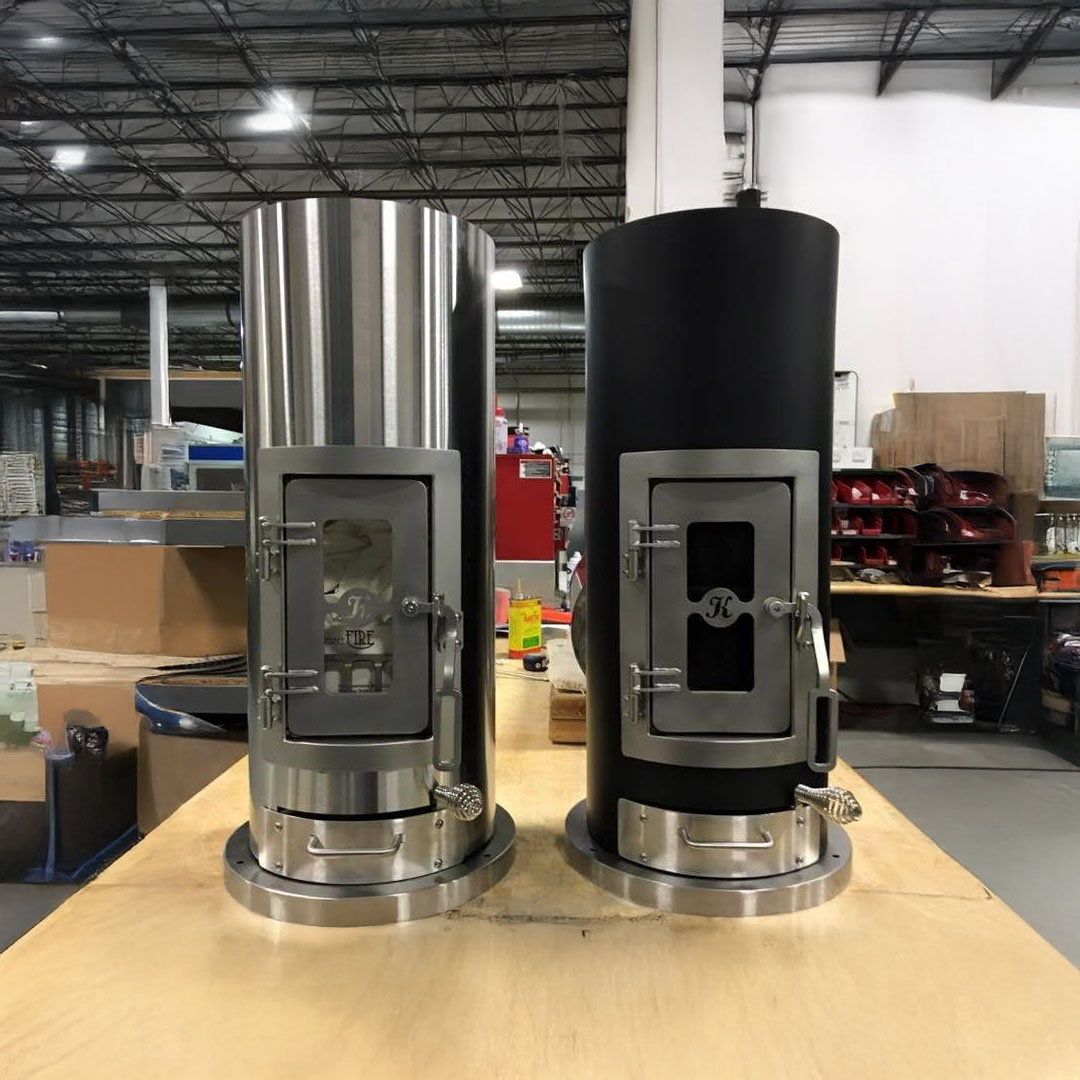
Along with this movement many new technologies are emerging as being untied from the grid becomes a necessity. We are a community learning that we can power up our homes by integrating thermal electric generation (converting heat energy to electric energy) with solar power. Solar panels are on the rooftops for both electricity and hot water production during the day and an integrated Thermo-Electric Generator accessory is on your wood stove when the sun is down. You now have two sources of hot water and electricity, and this energy can be stored for use.
This manner of living has many ramifications in today’s world. For too long, we have ignored our planet and enslaved ourselves to huge houses, maintenance, power bills, and all that comes with it. The degradation of our environment is serious, and the Tiny House and RV/Bus Conversion communities are a big part of this. When I think about just how much energy it takes to keep even an average home heated to 70 degrees, compared with smaller homes, I realize how wasteful large homes are. These communities (RV/bus/tiny) have chosen to be more responsible for our resources, and many find real peace in minimal living. I can say from experience that it takes just 20 minutes to clean my entire 18-foot travel camper from top to bottom.
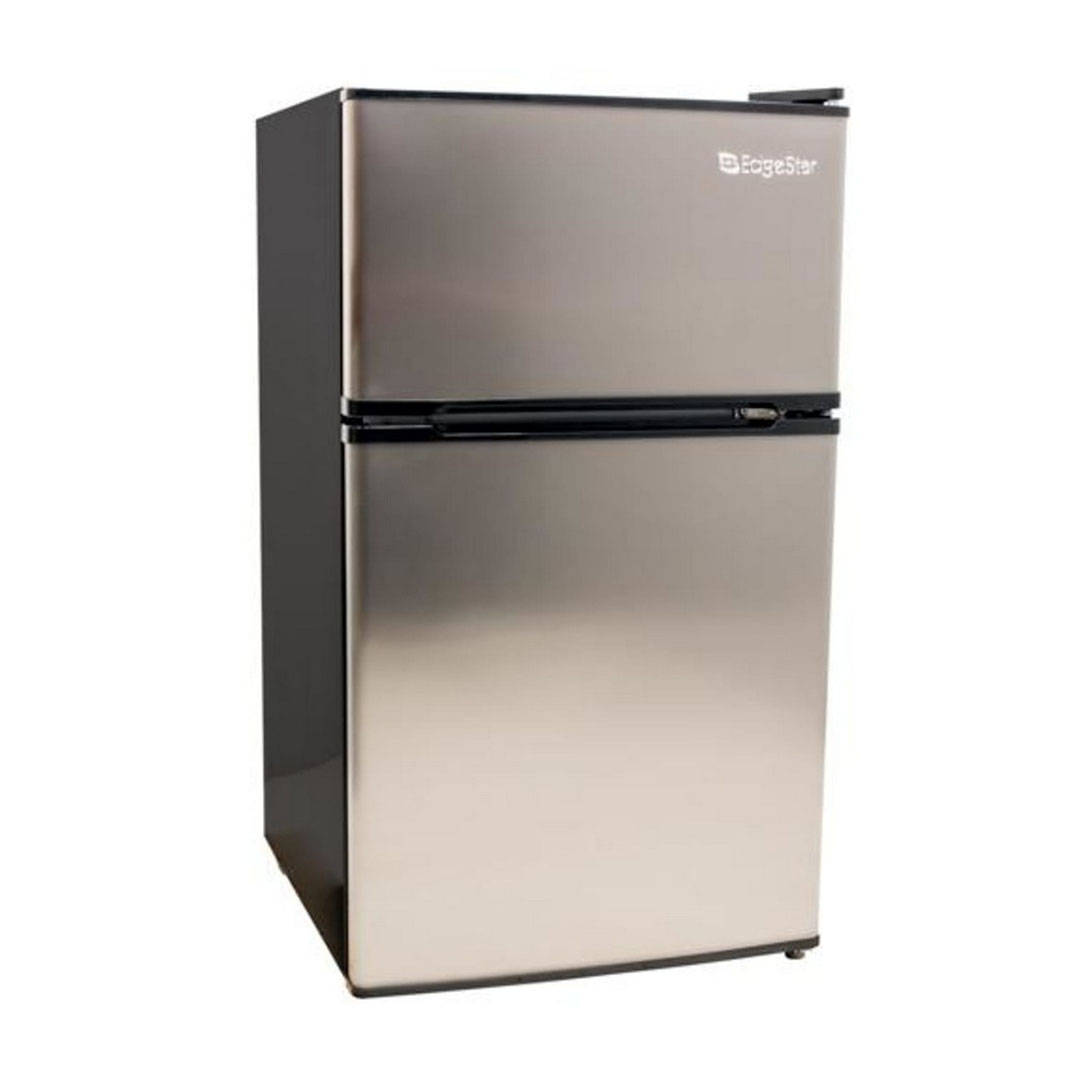
Getting off the grid has numerous “levels” to consider. One of the first I consider is: “How much power can I produce with the space I have?” The next is “How much power do I need”? Then, considering what sources are at your disposal, for example, what can I accomplish with a wood stove and solar panels? And then, how much if they work together? Other pieces of equipment to consider include high-efficiency 12-volt refrigeration, LED lighting systems, and as many 12-volt options as possible, from televisions to computers. The less energy we need, the easier the job of producing power enough to sustain us.
The next level to consider once we understand the “load” to run our home and how to balance that with power production, which will likely be less than needed for demand, is constant production and storage during off-peak hours. One needs a good enough battery bank to store power to cover peak usage or periods of low production. Defining our largest energy consumption by appliance has merit as well. An example would be the clothes dryer, which can be replaced by an outdoor clothesline in the summer and by the wood stove indoors in the winter. Summer cooking can be more fun outdoors in warmer weather. I even remember an old off-grid community in the mountains of Eastern Washington some years ago. As the high school girls walked in the snow to the bus, they used their butane-powered hair curlers.
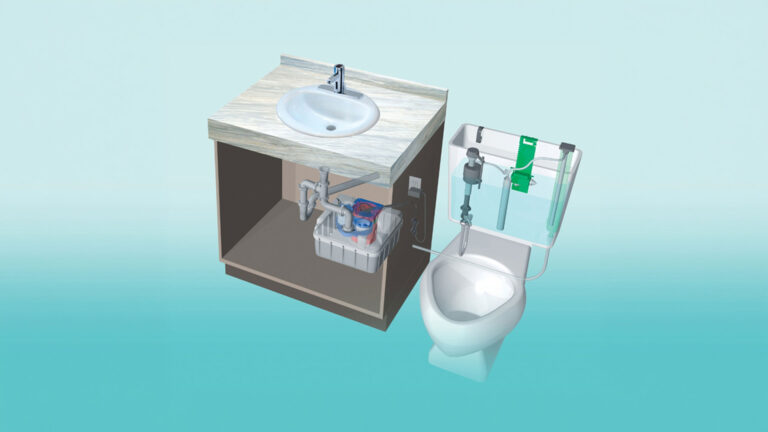
Composting toilets have also become more mainstream in the On Wheels community. It saves space as it does not require a grey water holding tank and a larger freshwater tank.
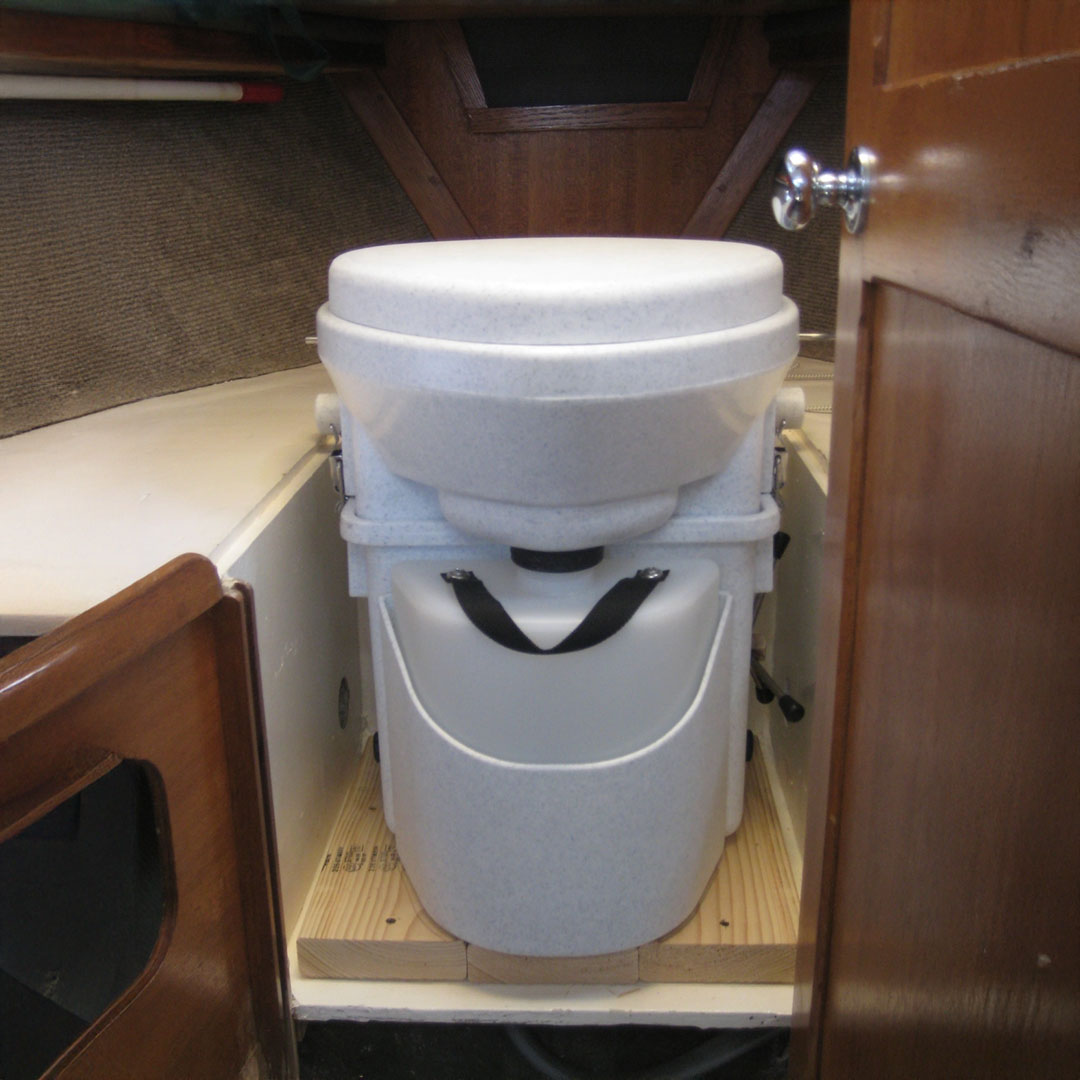
Nature’s Head Composting Toilet.
I was lucky enough to attend the 33rd RV and Sports Show in Quartzsite, Arizona, this year, where I saw some things I really liked. Being an environmentally concerned individual, I know that one of our most precious commodities, especially in the Southwestern states, is water. I had an opportunity to meet a couple who live full-time in an awesome truck conversion.
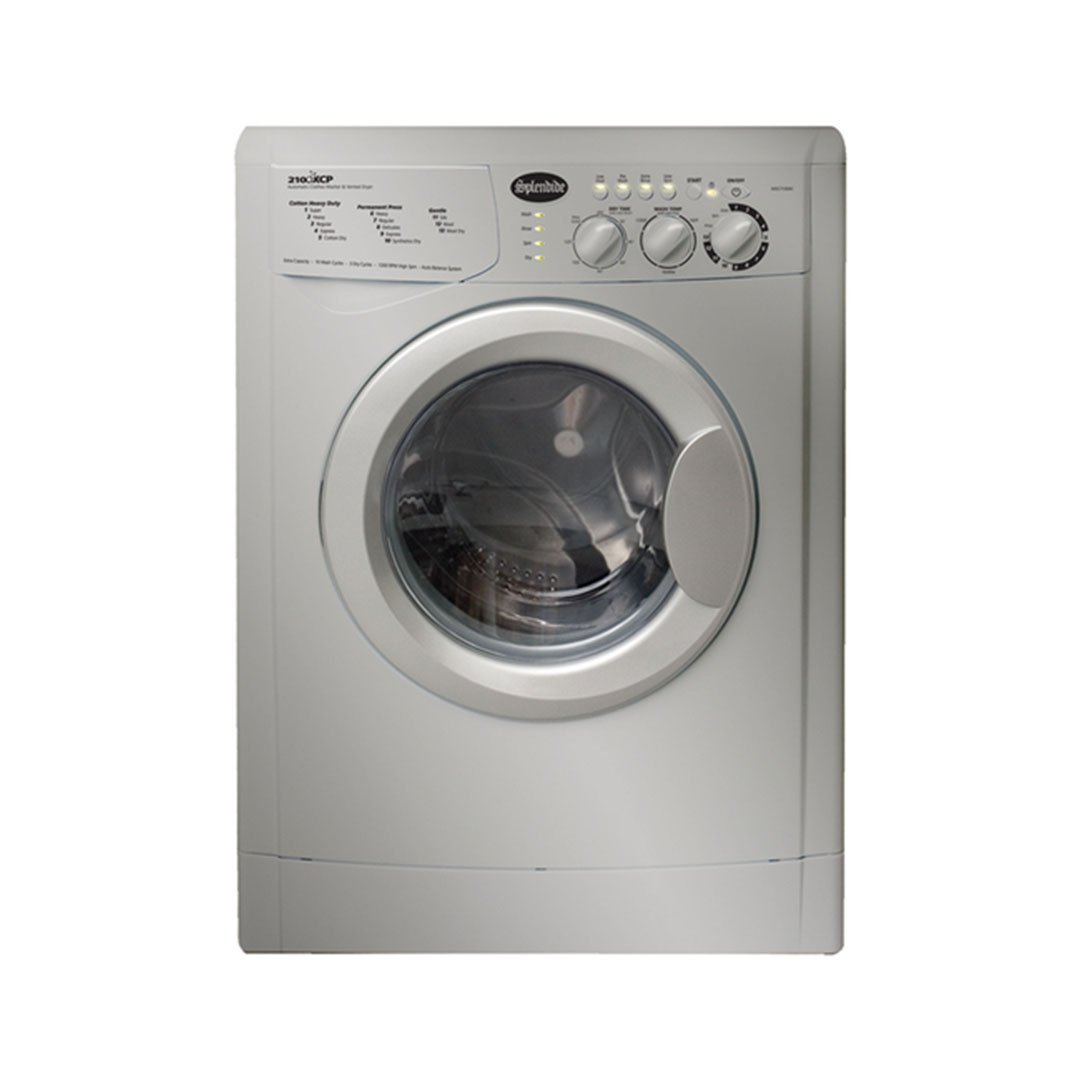
One thing I liked was the small amount of water usage that they reported using. Since they often boondock in the Arizona desert, water is more precious than gold. They have their equipment set up and tuned for maximum water savings. They have a single wash/dry unit that uses hardly any water (powered by solar panels). This is with them eating three meals a day, washing their dishes, and showering daily on 150 gallons per week. This impressed me greatly, knowing that the average washing machine uses approximately 40 gallons of water per load. In my extensive travels across the U.S. (63,000+ miles by car in 18 months), I saw and learned many things. Water reservoirs I saw as a kid in California are now dry and dusty, billions of gallons of water simply gone in our food-producing states, leaving 100-foot tall bridges spanning dry sand.
I would like to address a major concern for all tiny-home dwellers: mold. Many people know that black mold can be deadly, as my wife found out from being exposed to it. When we lived on board a boat, it became clear that with three people and a big damn dog exhaling up to 2.5 quarts of moisture a day in a restricted space, condensation can be a killer. Not only can it cause mold, but it can also cause dry rot in your coach’s walls. The main reason is that the laws of convection do not work as well in small spaces; airflow is very important. I once owned a really nice motorhome, a 27-foot Pace Arrow. The walls peeled both inside and out due to moisture-induced delamination. It sat vacant with little to no airflow for some time, and I lost my coach.
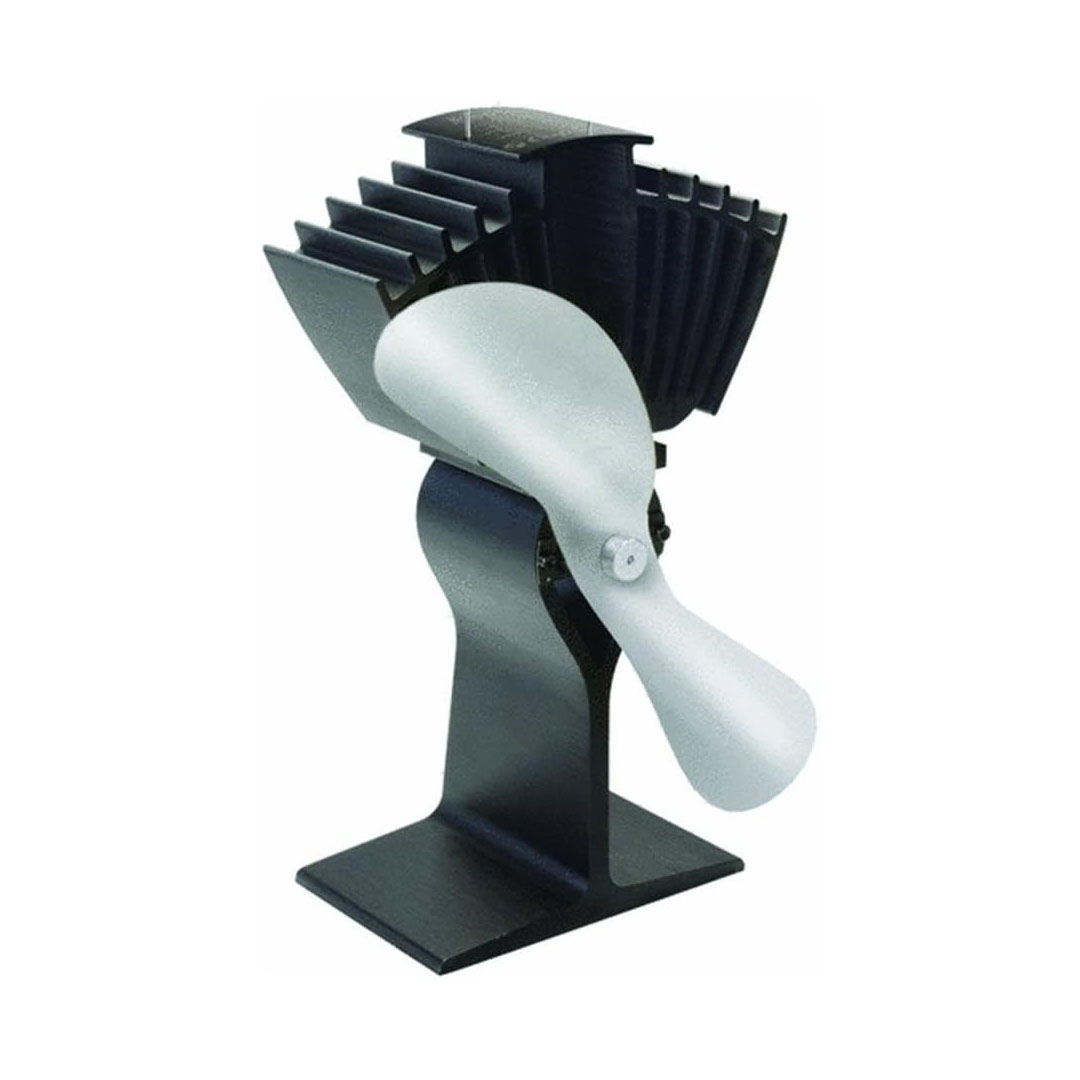
The use of propane cooking and heating appliances (unless very well-ventilated) can be a huge source of more moisture. This is where we advocate using a wood stove to protect your investment and, most of all, your health. Keeping a thermoelectric-powered fan on the stove will spread the dry heat, reducing the ability of mold and dry rot to grow. We also now have a thermo-electric generator lantern that charges its battery from the heat of the stove for up to eight hours of portable operation and can be used to charge cell phones and tablets.
I have been trying to demonstrate here that there are ways to be kinder to our planet. The bus conversions, tiny house, RV, and boating communities often lead the way in new technology. In fact, people wanting to outfit their life for off-grid living should look at the boating community (in my mind) for much of the information needed, as they are often highly knowledgeable in these areas… has something to do with living on the water… which is where my journey began.
In close (thank you for reading this whole story), there is something on my mind that is dear to me. I mentioned earlier that the white-picket American dream is not so easy to attain today. I also mentioned that numerous people are enjoying the minimalist lifestyle. There is, however, a flip side to that, and it requires forward thinking, building community, and working together.